The End of the Screen Stare
You know the "zombie walk" all too well. It is that awkward shuffle people do on the streets while glued to their smartphone screens, completely oblivious to the world around them.
That habit might soon become a relic of the past. We are currently seeing a massive shift in how we interact with the digital world, moving from devices in our pockets to tech that sits right on our faces.
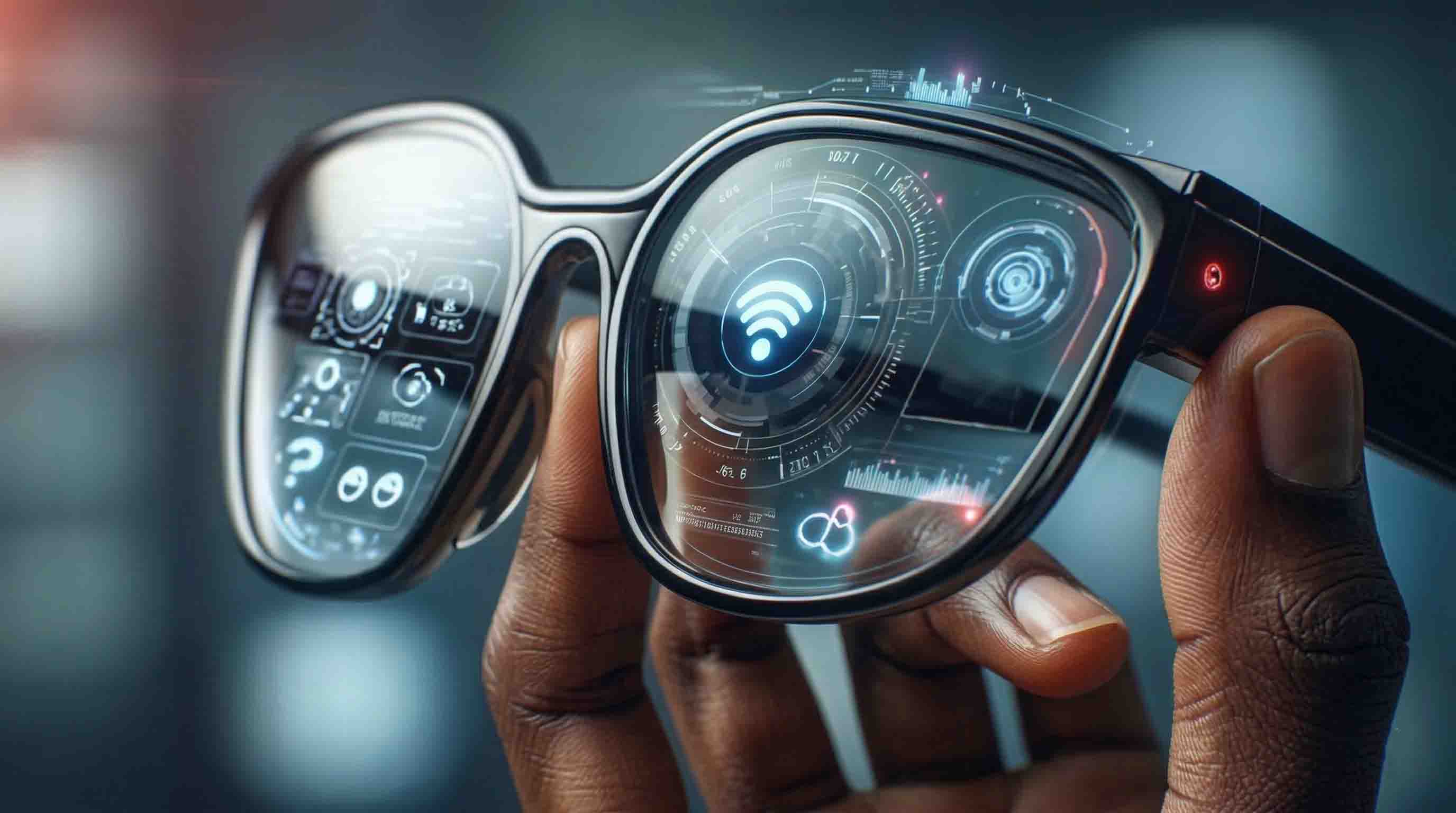
Smart glasses are no longer just clunky experiments for tech billionaires. They are evolving into sleek, titanium-framed tools that project information directly into your line of sight.
Why Your Phone Isn't Dying Just Yet
While the hype is real, we are not quite ready to toss our smartphones into the bin. The current reality is more of a partnership than a replacement.
Most smart glasses still rely on your phone to do the heavy lifting, like processing complex data or managing cellular connections. Think of your glasses as the stylish front-end that handles your notifications, while your phone stays hidden in your pocket as the engine room.
This hybrid ecosystem is perfect for a fast-paced environment. You can check a navigation map or read a quick message while walking through a busy market without ever breaking your stride or looking distracted.
AI is the Secret Sauce
The real magic happens when you add AI into the mix. In 2026, these glasses are essentially housing a genius assistant that hears what you hear and sees what you see.
Voice-activated AI now handles the majority of tasks that used to require a touchscreen. Instead of tapping through menus, you simply ask your glasses to translate a sign or remind you of a colleague's name during a meeting.
This hands-free approach is a game changer for professionals across Africa. Whether you are a technician repairing a complex engine or a healthcare worker tracking patient data, having your hands free while accessing real-time info boosts efficiency by a huge margin.
The Weight and Price Problem
There are still a few hurdles before everyone is wearing these. For one, battery life is currently hovering around 4 to 8 hours, which does not quite cover a full day of heavy use.
Then there is the weight. Current high-end models like the Apple Vision Pro are impressive but still a bit heavy on the face. Experts predict these will shrink from 300g to a mere 50g by 2028, making them as comfortable as your favorite pair of sunglasses.
Price is the final boss. With entry points often starting above $300, they are still a luxury for many. However, as more brands enter the market, we expect to see more affordable options that cater to a wider audience.
Style Meets Substance
Nobody wants to look like a cyborg in public. This is why tech companies are now partnering with major fashion brands like Oakley and Meta to create frames that look like normal eyewear.
This focus on aesthetics is helping to lower the social stigma of wearing a camera and a screen on your face. When the tech becomes invisible, adoption usually sky-rockets.
We are quickly approaching a future where 82% of internet traffic will be video-based. Seeing that content projected onto the world around you, rather than trapped on a small glass rectangle, is the natural next step.
The way we see the world is changing, and soon, you might find that the most important screen you own is the one you wear.