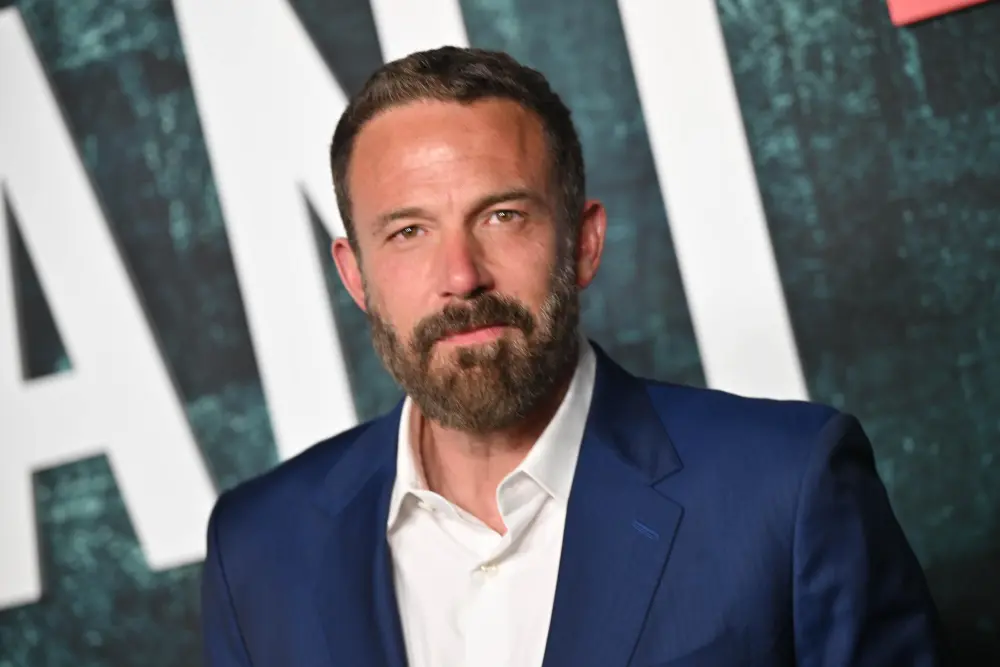
Ben Affleck just pulled off the ultimate Hollywood heist, but he did not need a mask or a getaway car. He used an artificial intelligence startup that had been operating in total secrecy since 2022.
Netflix is reportedly ready to pay up to $600 million to acquire InterPositive, the tech firm co-founded by the Oscar-winning director. That is roughly 77 billion Kenyan Shillings for a company most people did not even know existed until last week.
This is not your typical "type a prompt and get a video" AI tool. We are looking at a fundamental shift in how the movies you stream are actually built.
The Death of the Reshoot
Have you ever wondered why big-budget films take years to finish? It is usually the "boring" stuff that causes the delay. Think of things like fixing bad lighting, removing stunt wires, or realizing a shot was framed slightly too wide.
InterPositive solves these headaches using a model trained on actual production footage rather than the entire internet. It allows directors to relight a scene or change a background long after the actors have gone home.
The tech is already battle-tested in the real world. Director David Fincher used it on his latest project starring Brad Pitt to handle complex visual effects without the usual month-long delays.
Why Netflix is Doubling Down
Netflix recently walked away from a massive bid for Warner Bros. Discovery. Instead of buying old libraries of content, they are now buying the tools to make new content faster and cheaper.
The deal brings an elite team of 16 engineers and researchers directly into the Netflix fold. Affleck is not walking away either; he is staying on as a senior advisor to ensure the tech serves the artists.
For us here in the "Silicon Savannah" and across Africa, this is a massive signal. We are seeing the democratization of high-end cinema, where the gap between a Hollywood blockbuster and a local gem from Nairobi or Lagos could shrink overnight.
Supporting Creators, Not Replacing Them
There is always a fear that AI will take jobs in the creative sector. However, Netflix and Affleck are framing this as a tool for "creative freedom" rather than a replacement for human talent.
The system does not create synthetic actors from thin air. It takes what was shot on set and makes it better by removing the laborious parts of filmmaking so directors can focus on the story.
Think of it as a super-powered digital assistant that understands the rules of cinema. It knows how light should fall on a face and how a camera should move to keep a scene feeling real.
The New Streaming War
This acquisition proves that the streaming wars are no longer just about who has the most shows. It is about who owns the most efficient "content engine" in the business.
If Netflix can shave weeks off post-production for every original series, they can out-pace competitors like Disney and Amazon. They are not just a platform anymore; they are becoming a full-scale AI production house.
The era of "fixed" footage is over, and we are entering the age of the fluid, editable, and AI-enhanced cinematic ecosystem.
"I saw what I thought was a real opportunity and a real authentic danger," Affleck said about the tech. "But mostly I thought this is a really meaningful innovation".
The question now is whether you are ready for a world where the line between "real" and "rendered" disappears completely.