Imagine waking up to find that every word you speak in your mother tongue is owned by a corporation ten thousand miles away. For years, we have treated technology as a neutral tool we simply import, but the game has changed.
Kenya has just officially declared that our digital space is a "dimension of national territory". This isn't just a fancy way of saying we like computers. It is a bold move to protect our borders, our culture, and our future from a new kind of occupation.
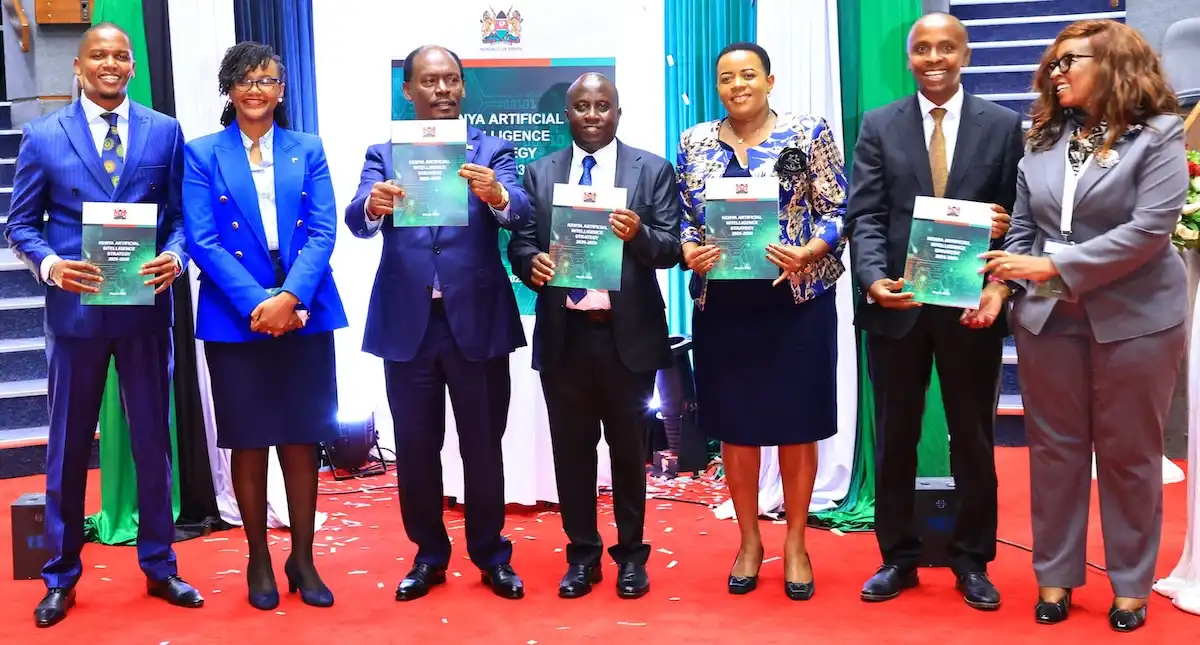
The National AI Strategy 2025–2030 is a massive shift in how we think about power. It is less about building flashy apps and more about ensuring that the "brain" of our economy belongs to us.
The Six Layers of Digital Freedom
To understand why this is bigger than technology, we have to look at what makes AI actually work. It is not just code; it is a stack of six layers that determine who is in control.
The strategy focuses on sovereignty across energy, infrastructure, data, compute, models, and talent. If we rely on foreign power to run our servers or foreign data centers to store our secrets, we aren't truly independent.
We are moving away from being "data generators" for the rest of the world. Instead, we are becoming the architects of our own digital destiny by building local capacity from the ground up.
Ending the Era of Data Colonialism
You might have heard the term "data colonialism" before. It sounds academic, but the reality is very practical. Currently, Kenya relies heavily on foreign-owned data centers, which puts our national security and data control at risk.
When our data is stored elsewhere, we lose the ability to protect our heritage and our privacy. The new strategy aims to fix this by building a secure, ethical data ecosystem right here at home.
Take the example of the Masakhane research group. They wanted to build AI for African languages but were blocked by restrictive foreign copyrights on local datasets. That is the exact kind of barrier this strategy is designed to break.
AI as a Public Good
The ultimate goal of this plan is purpose, not just performance. We are looking at how AI can transform agriculture through precision farming and revolutionize healthcare with remote diagnostics.
This isn't about replacing jobs; it is about creating a "prosumer" economy where we produce the tech we consume. By teaching AI in our schools and universities today, we are preparing the innovators of tomorrow.
We are finally moving from being passive users to becoming active creators. Our data is the new soil, and we cannot afford to be squatters on our own digital land.
Will we lead the continent in this digital revolution, or will we let others write our story for us? The roadmap is ready; now it is time for us to take the wheel.