The Trap of the Perfect Facade
We have all seen it. You are scrolling through your feed and see a "perfect" image of a sunset over the African continent or a hyper-realistic video of a tech CEO making a bold claim. It looks professional, confident, and clean.
But that "polish" is exactly where the danger hides. In 2026, the biggest threat to our digital world is not just the fake news we can easily spot. It is the "wrong answers that look right".
When AI content is too smooth, our brains often stop questioning its validity. We are wired to trust authority and high-quality presentation. This neurological pathway is now being used to bypass our logic and feed us what experts call "AI Slop".
Understanding the Slop and the Hallucination
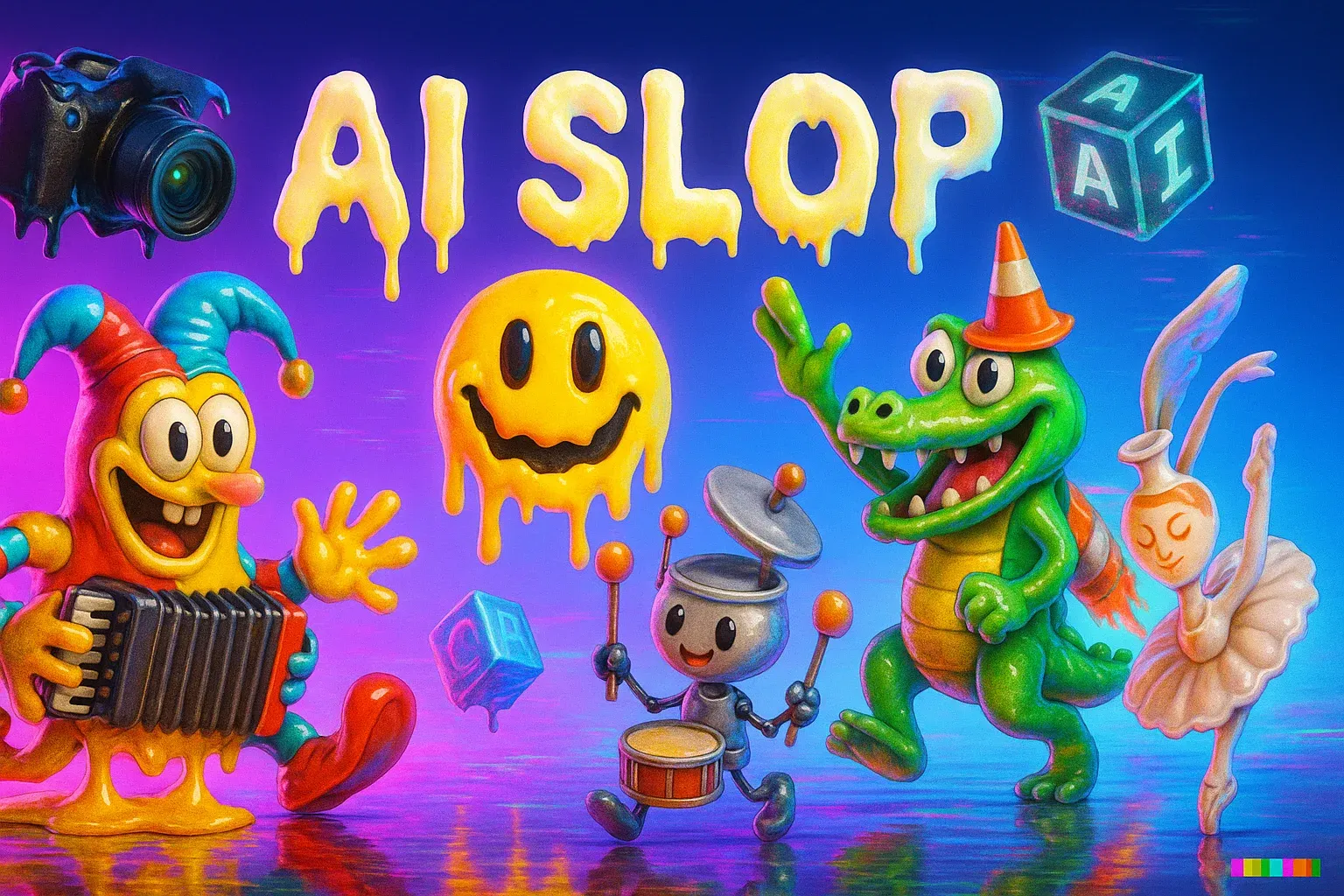
AI slop is the low-quality, filler content that is currently flooding our digital ecosystems. It is often vague text filled with buzzwords that sounds like it is making a point but actually says nothing at all.
Then there is the problem of hallucinations. This happens when an AI model invents "facts" or citations with absolute confidence. Because the language used is so authoritative, it is incredibly hard to catch these errors without expert verification.
This pollution of information can have real-world consequences. Research suggests that 20% of YouTube videos might already qualify as AI slop targeting younger audiences.
The Literacy Cliff and the 0.1% Problem
The stakes get much higher when we talk about deepfakes. These are AI-generated videos or images that appear authentic but are entirely fabricated. They are no longer just internet nonsense; they are sophisticated tools for scams and harassment.
A recent study tested 2,000 people to see if they could spot deepfake content. The results were terrifying: only 0.1% of people correctly identified the fakes. This is not just a small gap; it is a total literacy cliff that leaves us vulnerable.
As AI tools become frictionless, anyone can create high-quality synthetic media with a simple prompt. This ease of use moves the risk from niche corners of the web into our daily routines.
Building an Ironclad Response Playbook
To survive this era, we must move beyond the "slop vs sophistication" debate. We need to treat AI as a human-in-the-loop tool rather than a substitute for real judgment.
Every tech-savvy professional needs a response playbook. This means moving beyond just "verifying" and toward active documentation and reporting of deepfake abuse. We must prioritize digital literacy as a core skill for every student and employee.
The goal is not to stop using AI, but to use it with an "ironclad" focus on truth and ethics. Do not be seduced by the polish; instead, look for the human touch that makes content truly valuable.
Start architecting a strategy where human intuition and critical thinking are your primary defense against the rising tide of AI slop.