The AI Honeymoon is Over
Most developers are celebrating the wrong metrics. They see a 52% jump in trial conversions and think they have won the lottery. In reality, they are often just filling a bucket that has a massive hole in the bottom.
New data from RevenueCat reveals a sobering reality for the "Silicon Savannah" and beyond. While AI-powered apps are printing money faster than traditional software, they are failing the ultimate test of survival: keeping the user.
The Numbers That Should Keep You Up
If you are building an AI app in 2026, the honeymoon period is officially over. The median annual retention for AI-powered apps has plummeted to 21.1%. Compare that to traditional, non-AI apps which still hold onto 30.7% of their users over the same period.
This means AI apps are essentially churning 30% faster than their "boring" counterparts. Even more concerning is the refund rate. AI apps see a 4.2% median refund rate, which is 20% higher than the industry standard.
We are seeing a "wow" factor that leads to a quick purchase, followed by a "now what?" moment that leads straight to a cancellation.
Why the "Magic" is Fading
The problem is not the technology itself, but how we are using it. Most AI apps today are visual novelty tools or general-purpose chatbots. These are incredibly easy to try, but they are just as easy to abandon once the initial excitement wears off.
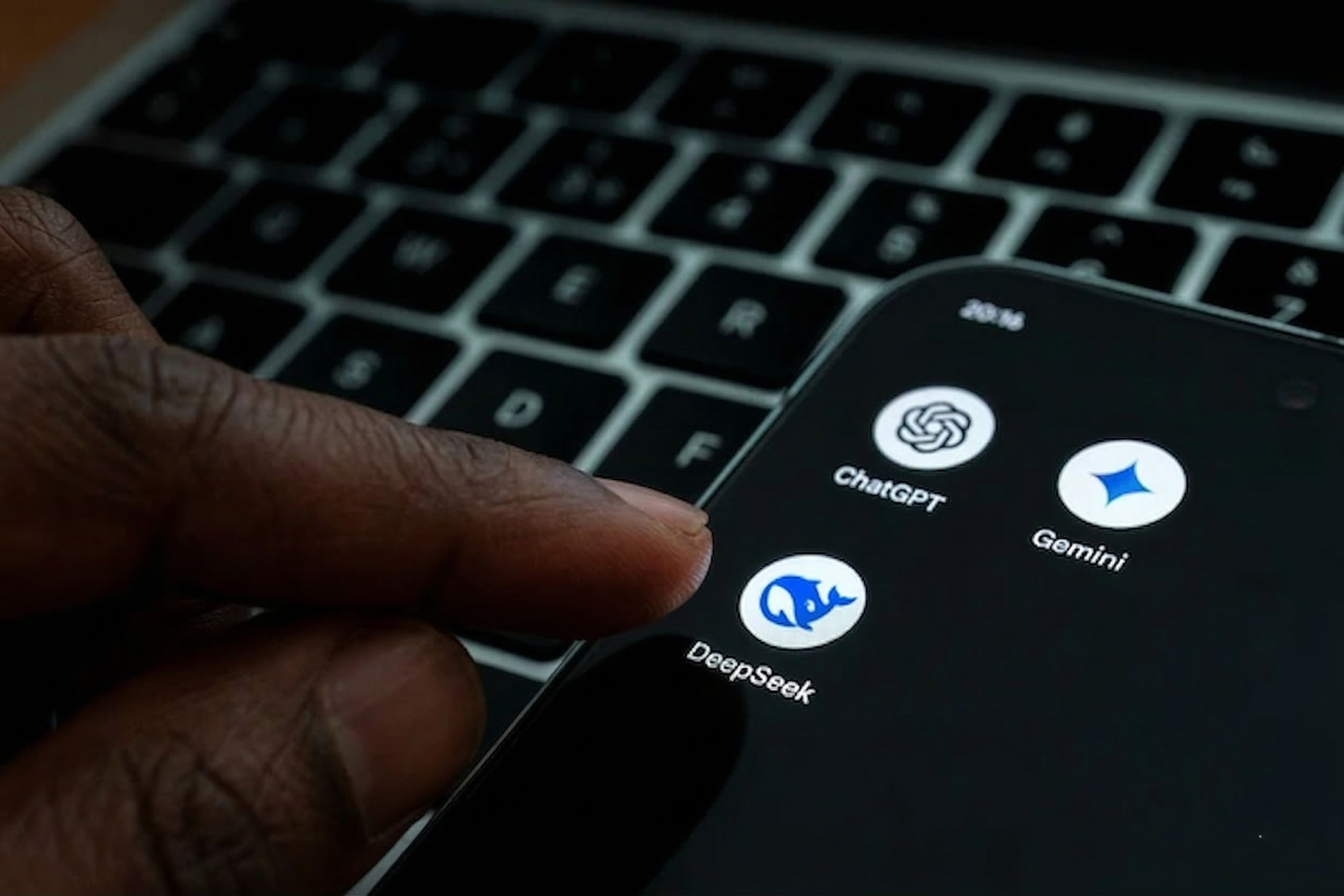
Users in 2026 have also become "model hoppers". Because so many apps are just wrappers for the same underlying models, switching costs have vanished. If a new app promises a slightly better prompt or a faster response, your users will leave you without a second thought.
Furthermore, the lack of reliability is a silent killer. Inconsistent results and AI hallucinations chip away at user trust over time. When a tool is supposed to be "intelligent" but fails to meet basic expectations, users do not just get frustrated: they ask for a refund.
Winning the Retention War in Africa
For African founders, this data is actually an opportunity. We have the chance to move beyond the "wrapper" phase and build AI that solves deep, structural problems.
Instead of another generic image generator, imagine AI that is deeply embedded into daily habits. Think about AI that manages agricultural supply chains or automates micro-finance workflows. These are "sticky" use cases because they are tied to a user's livelihood, not just their curiosity.
Business-focused AI is currently a sleeper hit. While consumer apps are struggling, B2B applications that integrate into existing workflows are showing much more stable retention patterns.
How to Plug the Leak
If you want your app to survive until 2027, you must stop treating AI as the product and start treating it as a feature. Focus on "soft moats" like memory and personalization. The more an app learns about a user’s specific needs, the harder it is for them to leave.
You should also rethink your pricing. Weekly plans might spike your early revenue, but they often set the wrong expectations for long-term utility. Align your price with the actual value you provide over months, not just the first five minutes.
In 2026, the winners will not be the ones with the best prompts. The winners will be the ones who turn a "magic moment" into a daily habit.