The "Ping" That Costs KSh 10,000
That sudden buzz in your pocket just became the most expensive notification of your week. You are cruising down the Thika Superhighway, thinking about your next meeting, when an SMS arrives from a sender you cannot ignore.
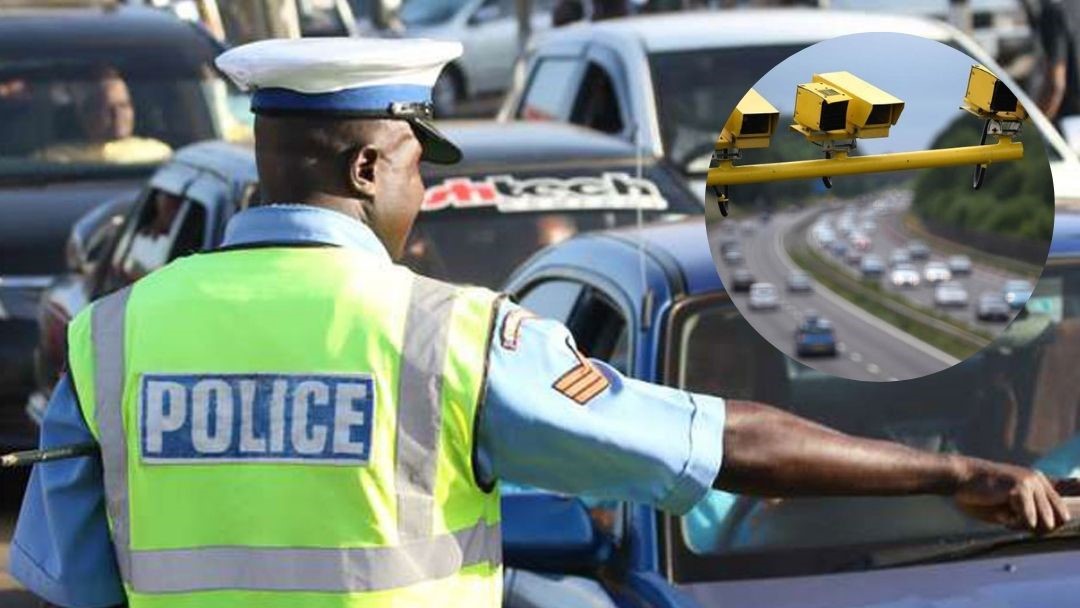
The National Transport and Safety Authority (NTSA) has officially traded the white cap and whistle for high-definition surveillance. With the nationwide rollout of the Intelligent Transport Management System (ITMS), the days of "talking your way out" of a ticket are effectively over.
A network of 1,000 smart cameras is now watching major highways and urban black spots 24 hours a day. These are not just standard CCTV units. They use Artificial Intelligence (AI) and Automatic Number Plate Recognition (ANPR) to link your car to your NTSA portal in milliseconds.
The Digital Trap: 5 Offences You Can't Hide From
The system is designed to be surgical. If you are caught, the evidence is logged, cross-referenced with the national vehicle registry, and sent to your phone before you even reach your destination.
1. The Speeding Brackets While a minor slip-up might get you a warning, the system is programmed with strict penalty tiers. If you exceed the limit by 16 to 20 km/h, expect an instant KSh 10,000 fine. The camera captures your exact speed, the time, and your registration number.
2. The Cost of Obstruction Stopping in non-designated areas or blocking intersections is now a primary focus for these automated eyes. Causing an obstruction on a public road carries a fixed fine of KSh 10,000. This is aimed specifically at reducing the gridlock that plagues our urban arteries.
3. Staying Off the Pavements If you have ever been tempted to overlap on a pedestrian walkway to bypass traffic, think again. Smart cameras are positioned to monitor non-carriageway surfaces. Driving on a footpath will trigger a KSh 5,000 fine sent directly to your phone.
4. The "Quick" Text or Call Distracted driving is a major cause of accidents, and the new camera network includes behavioral analytics. If the AI catches you using a mobile phone without a hands-free kit while the vehicle is in motion, you will be fined KSh 2,000.
5. Illegal PSV Boarding and Alighting This system does not just target personal cars. Public service vehicle (PSV) drivers who pick up or drop off passengers at unauthorized spots face a KSh 3,000 fine. Interestingly, passengers are also in the crosshairs: boarding at an illegal spot will cost you KSh 1,000.
Seven Days to Pay or Face the Freeze
Once that SMS hits your inbox, the clock starts ticking. You have exactly seven days to settle the fine via M-Pesa, USSD codes, or KCB Group branches.
If you ignore the notification, the system begins to bite. Unpaid fines will start accruing interest after the one-week grace period. Even worse, you will be blocked from accessing all NTSA service platforms.
This means you cannot transfer a logbook, book a vehicle inspection, or renew your license until the debt is cleared. The system is even linked to the new Second-Generation Smart Driving Licenses, where repeat offenders could see points deducted or their licenses suspended.
A New Era of Road Accountability
We are moving toward a 24-hour surveillance model where enforcement is consistent and automated. This shift is less about punishment and more about removing the human element that often leads to inconsistent policing.
The message from the NTSA is clear: the cameras are always on, and they don't accept excuses. Whether this successfully reduces the rising road fatalities remains to be seen, but it will certainly change how we behave behind the wheel.
Are you ready to change your driving habits, or will your next M-Pesa statement be dedicated to the NTSA?